By The EasyWebSight Desk
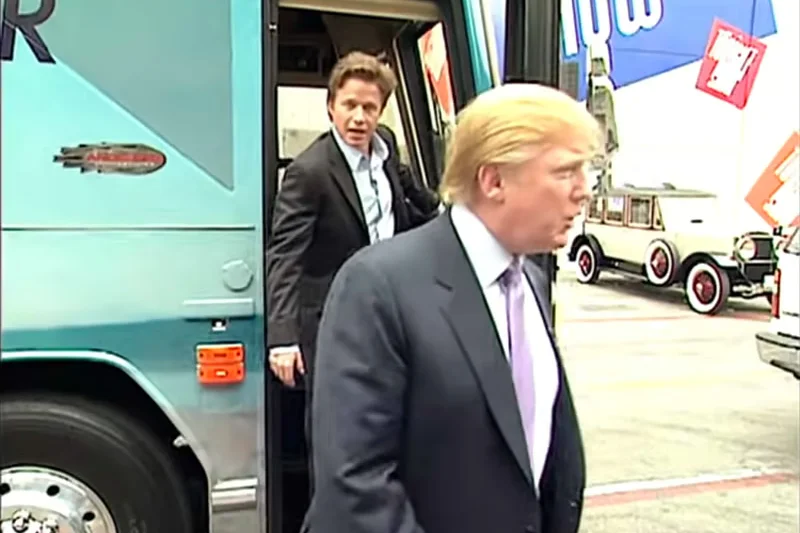
In October 2016, the release of the Access Hollywood tape sent shockwaves through American politics. On the recording, Donald Trump could be heard boasting about using his celebrity status to make unwanted sexual advances toward women, including the now infamous remark, "grab them by the pussy." The tape became one of the defining controversies of the presidential campaign and prompted condemnation from political leaders across the ideological spectrum.
A decade later, what is perhaps most striking is not that the comment was made. It is that so many people appear to have forgotten it, chosen not to remember it, or concluded that it simply does not matter.
That collective shrug raises uncomfortable questions about political memory, accountability, and the standards Americans apply to public figures they support.
At the time, many observers predicted that the recording would end Trump's political career. The remarks were widely criticized as degrading toward women, and even numerous Republican officials expressed outrage. Yet the political consequences proved remarkably limited. Trump won the 2016 election, remained the dominant figure within the Republican Party, and continued to command the loyalty of tens of millions of voters.
The lesson was not merely that political scandals can be survived. It was that partisanship can often outweigh outrage.
For some supporters, the tape became something to dismiss as "locker room talk." For others, economic concerns, immigration policy, judicial appointments, or broader ideological goals were viewed as more important than offensive comments made years earlier. Still others simply became exhausted by the constant stream of controversies that characterized modern political life.
But there is a difference between deciding that a controversy is not disqualifying and pretending it never happened.
Democracy depends on a shared understanding of reality. Citizens are free to forgive politicians. They are free to weigh one issue more heavily than another. They are free to conclude that a candidate's policies outweigh personal failings. What they should not do is rewrite history.
The Access Hollywood tape is not a rumor, a partisan accusation, or a disputed account. It exists. The comments were recorded. Trump initially issued a statement apologizing for the remarks and later characterized them as private conversation. The historical record is clear.
The broader concern extends beyond one politician or one political party. Americans increasingly live in political cultures where inconvenient facts are filtered out, ignored, or forgotten whenever they conflict with tribal loyalties. What once would have been considered disqualifying behavior can become just another story in an endless cycle of outrage and counter-outrage.
This phenomenon is not unique to Trump, but Trump has become one of its most prominent examples. The endurance of his political career after the release of the tape demonstrates the extraordinary power of polarization. When political identities become central to personal identity, supporters are often motivated to defend leaders against criticism regardless of the underlying facts.
The result is a troubling erosion of accountability. If every controversy is dismissed as a media hoax, a partisan attack, or old news, then public standards become increasingly difficult to enforce. Citizens lose the ability to distinguish between disagreement over policy and acceptance of conduct that would once have been broadly condemned.
Remembering is not the same as dwelling on the past. It is not about refusing forgiveness or denying the possibility of redemption. It is about honesty.
The Access Hollywood tape remains part of Donald Trump's public record, whether supporters like it or not and whether critics continue to emphasize it or not. The real question is not whether Americans remember what was said. The real question is what it says about the nation's political culture when so many appear willing to look away.
A healthy democracy requires more than elections. It requires memory. Without it, accountability fades, standards decline, and history becomes whatever partisans wish it to be. The Access Hollywood controversy should not be remembered because it was politically damaging. It should be remembered because it revealed something important about the character of public discourse and the willingness of citizens to excuse behavior when it comes from their own side.
And that lesson remains relevant long after the headlines have faded.