By The EasyWebSight Desk
The proposal to publicly broadcast the military execution of convicted Fort Hood shooter Nidal Hasan has sparked outrage across the political spectrum, drawing criticism not only from civil liberties advocates and death penalty opponents, but also from lawmakers and commentators who otherwise support capital punishment. The controversy raises a fundamental question: What kind of nation does the United States aspire to be?
Few Americans dispute the gravity of Hasan's crimes. The 2009 Fort Hood attack left 13 people dead and dozens wounded, forever altering the lives of military families and survivors. Justice demands accountability. But justice and spectacle are not the same thing.
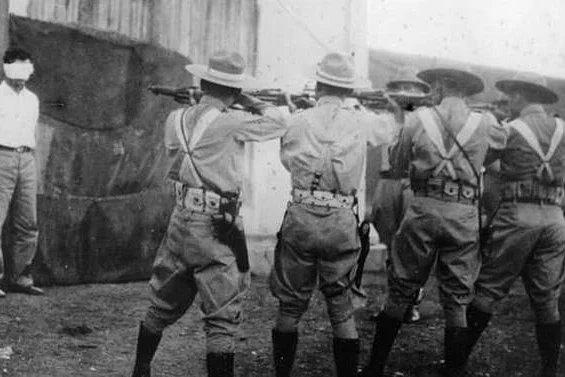
The decision to execute Hasan by firing squad is already historically significant. The additional proposal to allow the public to watch, reportedly through a livestream, transforms the event from a judicial punishment into a public performance.
America abandoned public executions for good reason. Public hangings and firing squads were associated with an earlier era when punishment was often designed as theater. Over time, the United States concluded that even when the state exercises its most severe power, it should do so with solemnity and restraint rather than spectacle.
Supporters of the broadcast argue that making the execution public would demonstrate the consequences of terrorism and violence. Yet modern history offers little evidence that turning executions into public events strengthens justice or deters crime. What it does guarantee is the creation of a media spectacle in which the act of killing becomes entertainment, political theater, or online content to be shared and replayed indefinitely.
Perhaps most troubling is the international message such a broadcast would send. For decades, American leaders have condemned countries that use public executions as demonstrations of state power. The United States has criticized governments that turn punishment into public displays meant to shock, intimidate, or mobilize public sentiment. By televising an execution, America risks blurring the distinction between a constitutional democracy governed by the rule of law and nations that use public punishments as instruments of political messaging.
To be clear, saying that the United States would resemble rogue states in this respect is not to suggest moral equivalence across all dimensions. America remains a constitutional republic with independent courts, democratic institutions, and robust civil liberties. But on the specific issue of publicly displaying executions, the symbolism would be damaging. It would hand critics around the world an opportunity to argue that the United States is embracing practices it has long denounced elsewhere.
The strength of a democracy is not measured by how harshly it punishes its worst offenders. It is measured by whether it maintains its principles even when confronting those who committed horrific crimes. If Hasan is to be executed, the punishment should be carried out according to the law and with dignity, not transformed into a nationally televised event.
The United States should demonstrate confidence in its justice system, not a fascination with public spectacle. A nation that seeks to lead the free world should not borrow imagery associated with authoritarian regimes and historical practices that civilized societies worked for generations to leave behind.