By The EasyWebSight Desk
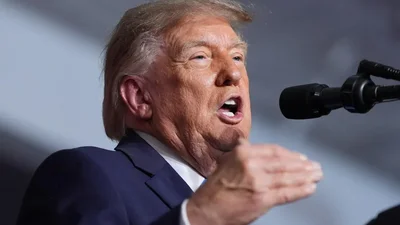
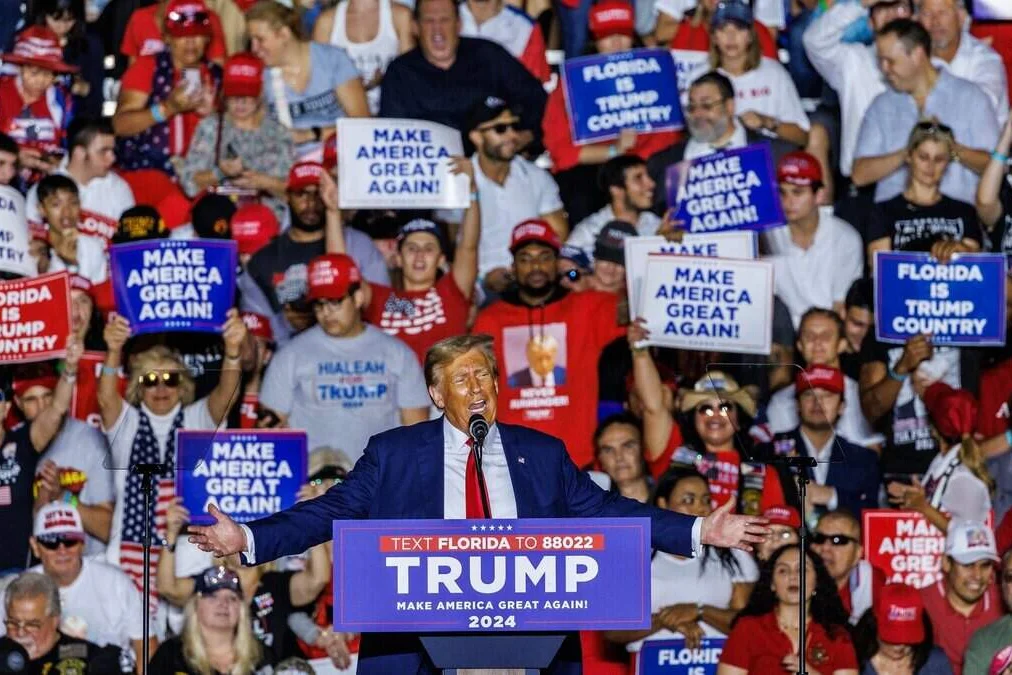
Political rhetoric is often heated, especially during times of intense polarization. Yet there are moments when language crosses a line from sharp political criticism into something more troubling. Former President Donald Trump's use of the word "vermin" to describe his political opponents is one such moment, not merely because it is insulting, but because it invokes a dark tradition of dehumanizing language associated with some of the twentieth century's most infamous authoritarian leaders.
Democracy depends on the recognition that political opponents are fellow citizens rather than enemies of the state. Elections are contests between competing visions of the future, not battles to eliminate internal foes. When politicians describe their rivals as "vermin," however, they move beyond disagreement and begin to portray opposition itself as a form of contamination.
The term carries particularly disturbing historical baggage. Both Adolf Hitler's Nazi movement and Benito Mussolini's fascist regime relied heavily on rhetoric that depicted perceived enemies as parasites, pests, or subhuman threats to the nation. Such language served a political purpose. It stripped targeted groups of their humanity and made increasingly extreme measures seem justified to supporters.
To be clear, recognizing similarities in rhetoric does not mean equating modern political figures with historical dictators. History is rarely that simple. Yet the comparison becomes difficult to ignore when leaders employ vocabulary that closely resembles language used by authoritarian movements to divide societies into "real" citizens and supposedly dangerous internal enemies.
What makes this rhetoric especially concerning is its effect on democratic culture. A healthy democracy requires compromise, debate, and the acceptance of electoral defeat. When political rivals are portrayed as evil forces destroying the nation from within, the possibility of coexistence begins to erode. Citizens are encouraged to view fellow Americans not as neighbors who hold different opinions, but as threats whose very existence in public life is illegitimate.
The United States has seen periods of intense political hostility before. The country survived them because leaders and institutions ultimately reaffirmed democratic norms over personal grievances. Those norms become harder to sustain when political discourse increasingly depends on language of demonization and exclusion.
Trump's defenders argue that his language reflects public frustration with political elites and government institutions. There is no doubt that many Americans feel alienated from the political system. But popular frustration does not justify rhetoric that dehumanizes opponents. Democratic leaders have countless ways to criticize policies, institutions, and political adversaries without resorting to terminology associated with some of history's most destructive political movements.
Words matter because they shape how people understand the world around them. They can unite a country around shared challenges, or they can deepen divisions by persuading citizens that their opponents are less than fully human. History offers repeated warnings about which path begins with the language of "vermin."
Americans of all political persuasions should reject that language, regardless of who uses it. A democracy strong enough to survive disagreement is weakened when political leaders encourage citizens to see their opponents not as competitors in a constitutional system, but as creatures to be eradicated. The lesson of history is clear: once politics becomes a struggle against "vermin," democracy itself becomes one of the first casualties.