By The EasyWebSight Desk
Defense Secretary Pete Hegseth's repeated references to testosterone have become one of the most debated aspects of his leadership, fueling an increasingly polarized discussion about military culture, readiness, and modern concepts of masculinity.
The controversy intensified after Hegseth announced a Pentagon initiative involving testosterone screening for service members and promoted what he described as a "High-T" vision for the military. The program was presented as a way to help troops maintain peak physical performance and combat readiness.
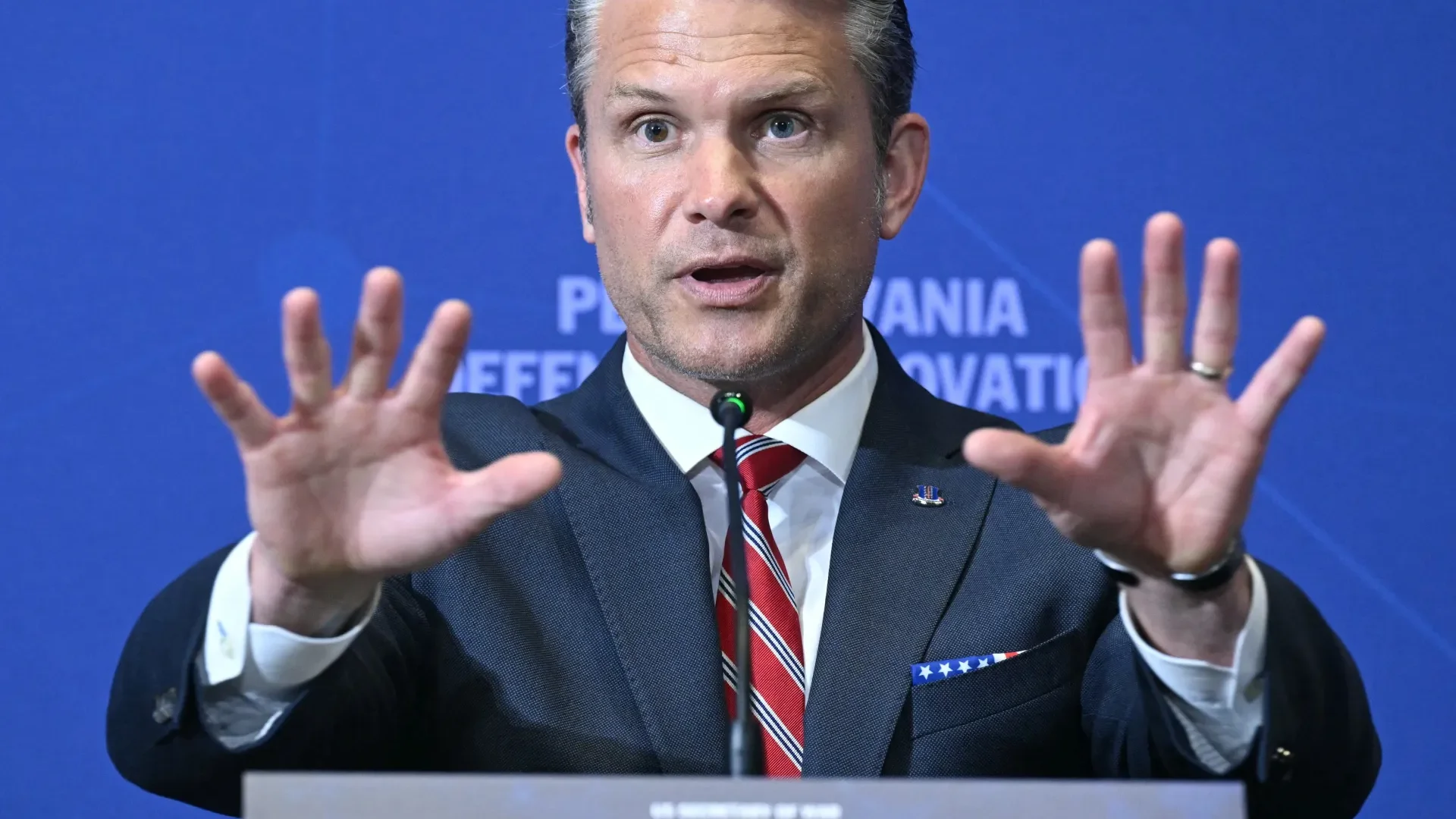
Hegseth has frequently linked physical fitness, warrior culture, and military effectiveness to testosterone. During a recent "State of the Force" address, he celebrated what he described as a return to traditional military values, declaring that "the patriotic cowboys are in, with testosterone testing on top." The remark immediately drew attention from supporters and critics alike.
Supporters argue that Hegseth's emphasis reflects a broader effort to rebuild military standards and focus on warfighting capabilities. They contend that physical readiness is an essential component of national defense and that concerns about service members' health and performance should not be dismissed as political or cultural statements.
Critics, however, say Hegseth's rhetoric often goes beyond medical or readiness concerns and ventures into what they view as an ideological campaign centered on traditional masculinity. Several commentators have described his public messaging as evidence of an outsized preoccupation with testosterone as a cultural symbol rather than a narrowly defined health issue.
Medical experts and analysts have also raised questions about the scientific assumptions behind the "High-T" concept. Some specialists note that testosterone plays an important role in human health but caution that there is no single ideal testosterone level applicable to all individuals and that military performance depends on numerous factors, including training, nutrition, discipline, sleep, and overall health.
The debate has extended beyond military policy into broader cultural discussions. Critics argue that Hegseth's language reinforces narrow definitions of manhood, while supporters view his approach as a corrective to what they believe has been an excessive focus on social issues within the armed forces.
Whatever the merits of the policy itself, Hegseth's focus on testosterone has become a defining feature of his public image. For admirers, it symbolizes a renewed emphasis on strength and combat effectiveness. For detractors, it reflects an unnecessary fixation on hormonal measures and a politicized vision of masculinity. As the Pentagon continues to implement his agenda, the controversy shows little sign of fading.