By The EasyWebSight Desk
2026 Physiology or Medicine Award Recognizes Discoveries That Deepened Understanding of Brain Function
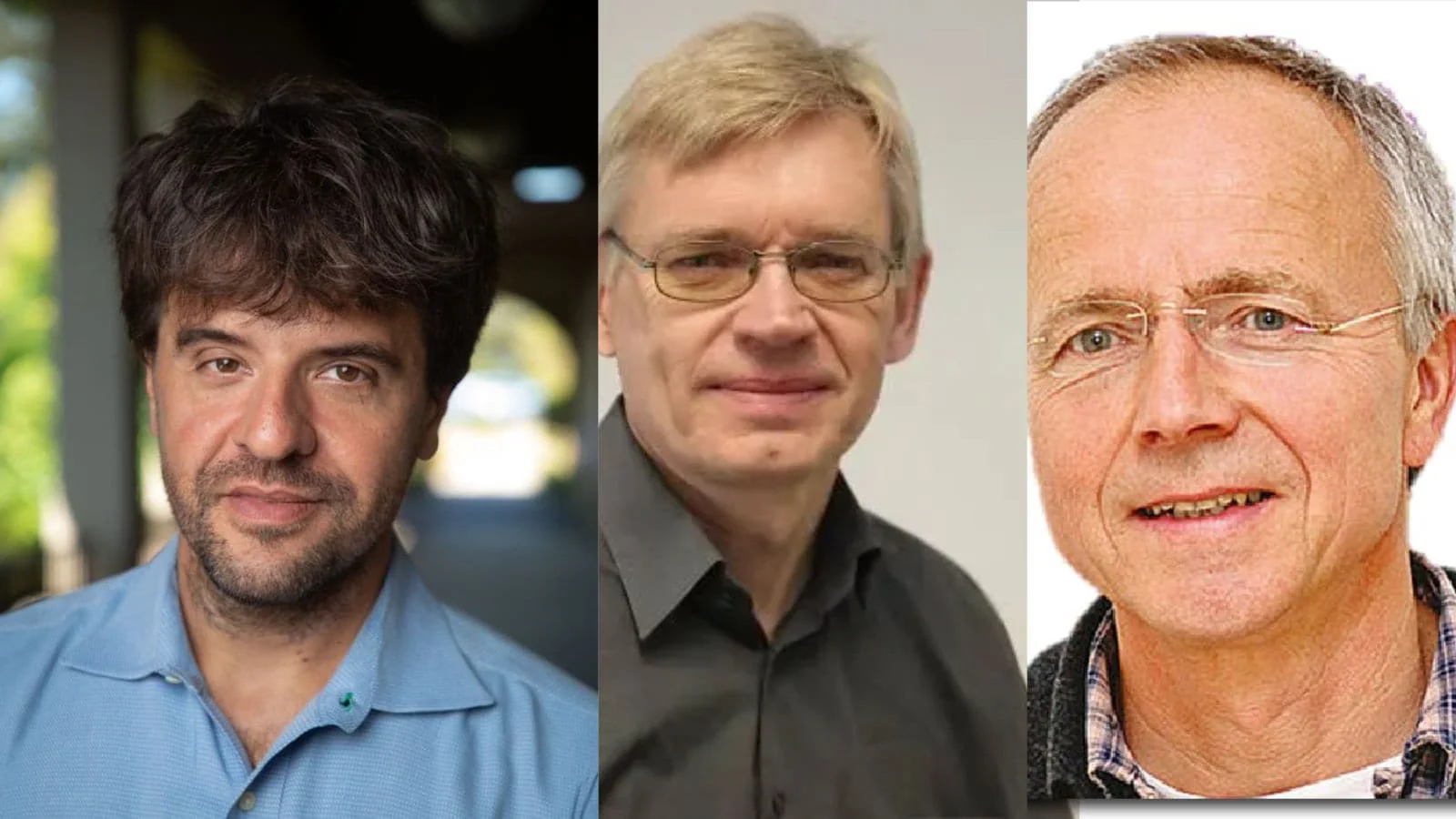
STOCKHOLM, Oct. 5, 2026 — Three scientists have been awarded the 2026 Nobel Prize in Physiology or Medicine for groundbreaking research that advanced scientific understanding of how the human brain functions, a distinction widely regarded as one of the highest honors in science. [dominicane...online.com]
The award recognizes research that helped unlock fundamental mysteries surrounding the brain, providing new insights into the mechanisms that govern human thought, perception, learning, and behavior. The discoveries are expected to influence future research in neuroscience, medicine, and the treatment of neurological disorders. [dominicane...online.com]
The announcement by the Nobel Committee drew praise from scientists around the world, who described the honored work as a major contribution to humanity's understanding of its most complex organ. The human brain, consisting of billions of interconnected nerve cells, remains one of the greatest frontiers in science, with researchers continuing to explore how neural networks process information and shape cognition.
Advances in brain research have transformed modern medicine over the past several decades, enabling physicians and researchers to better understand conditions such as Alzheimer's disease, Parkinson's disease, epilepsy, depression, and other neurological and psychiatric disorders. While many challenges remain, breakthroughs in neuroscience continue to provide hope for future treatments and therapies.
The Nobel Prize in Physiology or Medicine has a long history of honoring discoveries that have reshaped scientific knowledge and improved human health. Previous recipients have been recognized for achievements ranging from the discovery of antibiotics and vaccines to advances in genetics and molecular biology.
This year's award underscores the growing importance of neuroscience in modern scientific research. As populations age and neurological diseases become an increasing global health concern, understanding how the brain works has become a priority for researchers, healthcare providers, and policymakers alike.
Experts say the honored discoveries not only answer fundamental scientific questions but may also pave the way for future innovations in medicine, artificial intelligence, and brain-computer technologies. The research is expected to inspire additional studies aimed at uncovering how the brain generates consciousness, stores memories, and adapts to changing environments.
The recognition of the three scientists serves as a reminder of the profound impact that basic scientific research can have on society, demonstrating how years of investigation into the workings of the brain can ultimately lead to knowledge that benefits millions of people worldwide.