By The EasyWebSight Desk
TEHRAN, Iran, Oct. 5, 2026 — Iran announced Monday that the Strait of Hormuz will remain closed until the United States fulfills conditions outlined in a previously negotiated interim agreement, a stance that is heightening concerns across global energy markets and raising new questions about regional stability. [democracynow.org], [careerindia.com]
According to Iranian officials, Tehran maintains that normal shipping through the strategic waterway will not resume until Washington meets a series of demands connected to an agreement reached earlier this year. Iran has stated that reopening the strait is contingent upon the United States satisfying those conditions. [democracynow.org]
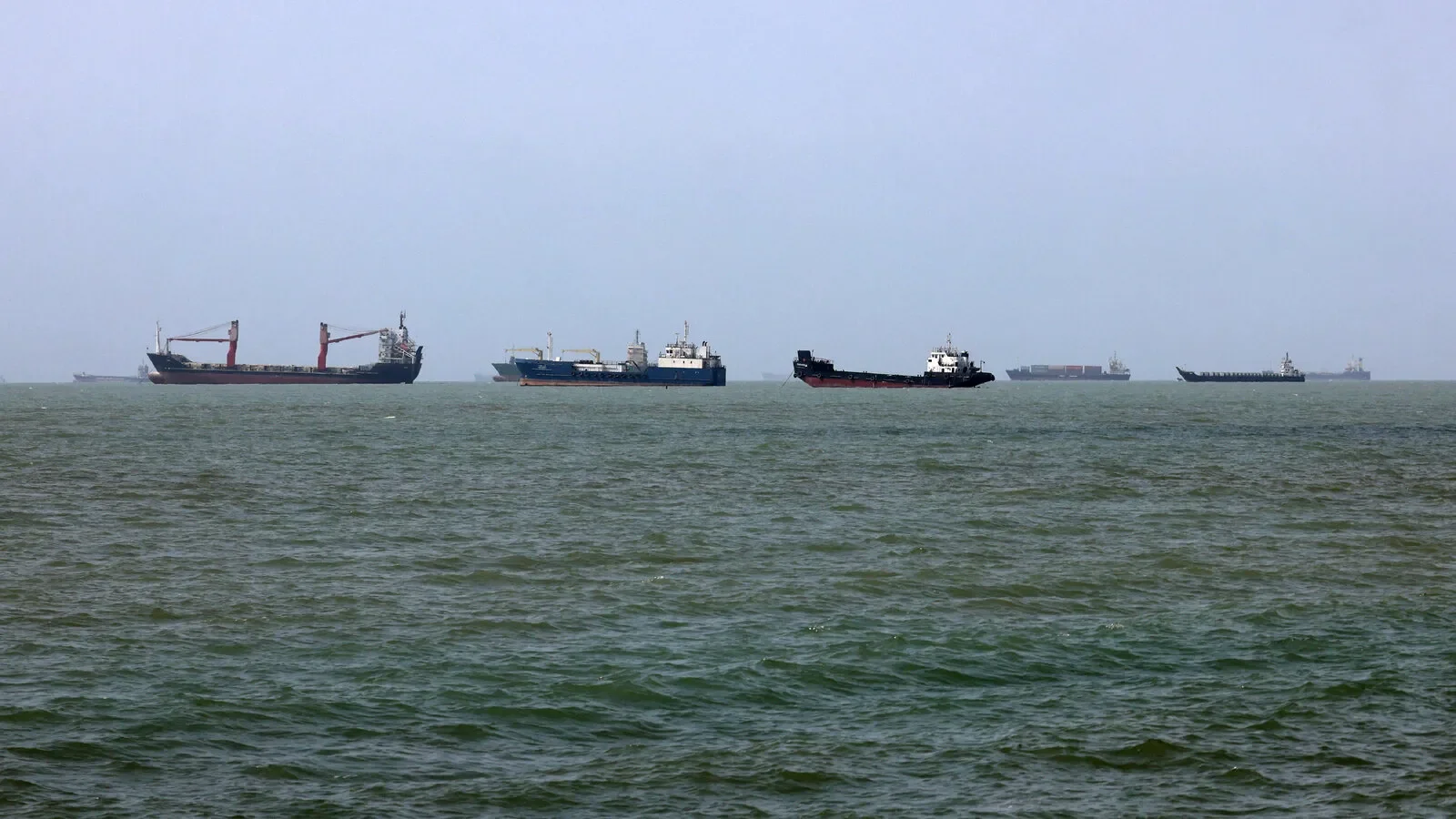
The Strait of Hormuz is one of the world's most important maritime chokepoints, serving as a critical transit route for oil and natural gas exports from the Persian Gulf. The continued closure has drawn international attention because of its potential impact on global energy supplies and transportation networks. [careerindia.com], [democracynow.org]
Market analysts are closely monitoring developments, as prolonged restrictions on shipping through the waterway could influence energy prices and add uncertainty to international trade flows. The situation comes at a time when governments and businesses are already navigating geopolitical tensions across several regions. [careerindia.com]
Iran's position follows months of diplomatic friction between Tehran and Washington. While international observers continue to watch for signs of renewed negotiations, there has been no indication that an immediate resolution is at hand. Iranian officials have reiterated that the strait will remain closed until the terms they have outlined are met. [democracynow.org]
The announcement has prompted renewed calls from regional and international leaders for diplomatic engagement aimed at reducing tensions and safeguarding critical shipping routes. Energy-importing nations, particularly those dependent on Gulf exports, are expected to continue assessing the potential economic consequences of a prolonged disruption. [careerindia.com], [democracynow.org]
As the standoff continues, global markets, shipping companies, and policymakers face growing uncertainty over one of the world's most strategically important waterways, underscoring the broader economic and geopolitical significance of developments in the Gulf region.